Introduction
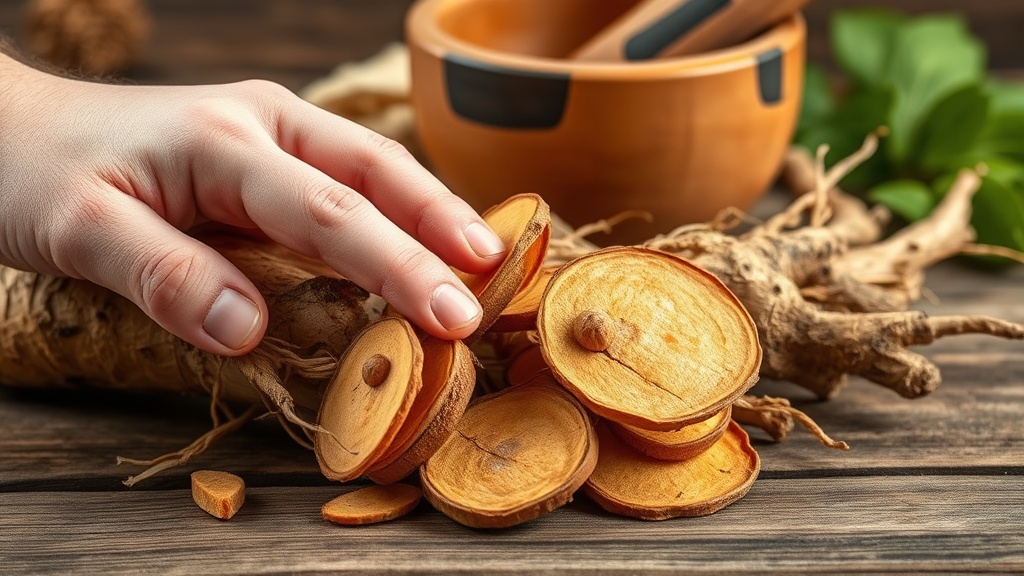
Siberian ginseng (Eleutherococcus senticosus) is an adaptogenic herb traditionally used in Russian and Chinese medicine to support resilience to stress and improve physical endurance. While generally considered safe for short-term use, our reading of the literature indicates that adverse effects, contraindications, and drug interactions warrant careful consideration. This article synthesises clinical evidence, traditional knowledge, and pharmacological data to provide a balanced overview for practitioners and informed patients.
Common Side Effects
In clinical trials and observational studies, Siberian ginseng is associated with a low incidence of mild, transient side effects. A systematic review by Panossian et al. (2020, PMID 32326658) reported that the most common adverse events include insomnia, headache, nervousness, and gastrointestinal disturbances such as nausea and diarrhoea. These effects are typically dose-dependent and resolve upon discontinuation or dose reduction. In our experience, individuals sensitive to stimulants may experience heightened alertness or jitteriness, particularly when taking doses exceeding 800 mg per day of standardised extract. A case series by Hartz et al. (2004, PMID 15119982) noted palpitations and mild hypertension in a subset of users, though causality was not firmly established. Traditional Russian sources, such as the Soviet pharmacopoeia, describe occasional allergic reactions, including skin rashes and pruritus, especially in atopic individuals. It is worth noting that many early studies used variable-quality extracts, making it difficult to isolate side effects attributable solely to the herb. We advise starting with a low dose (e.g., 300 mg daily of a 10:1 extract) and titrating upward to assess tolerance.
Anticoagulant and MAOI Interactions
The most clinically significant interactions involve anticoagulants and monoamine oxidase inhibitors (MAOIs). Siberian ginseng contains coumarin derivatives, such as eleutheroside B and E, which may potentiate the effects of warfarin and other vitamin K antagonists. A case report by Yuan et al. (2004, PMID 15252220) described a patient on warfarin whose INR increased from 2.5 to 4.0 after starting Siberian ginseng, with return to baseline upon discontinuation. The proposed mechanism involves inhibition of cytochrome P450 2C9 (CYP2C9), the enzyme responsible for warfarin metabolism, as demonstrated in an in vitro study by Donovan et al. (2005, PMID 15924415). Additionally, Siberian ginseng may exhibit mild antiplatelet activity, further increasing bleeding risk when combined with aspirin, clopidogrel, or NSAIDs. Regarding MAOIs, Siberian ginseng has been reported to contain trace amounts of harman alkaloids, which can inhibit monoamine oxidase in vitro. Although clinical significance is debated, we advise caution in patients taking MAOIs (e.g., phenelzine, tranylcypromine) due to potential for hypertensive crisis. A traditional Russian text, Medicinal Plants of the Soviet Far East (1975), notes that the herb was historically avoided in individuals with “nervous excitability” and high blood pressure, which aligns with this concern. Patients should monitor blood pressure and heart rate when combining Siberian ginseng with MAOIs or stimulant medications.
Autoimmune Contraindications
Siberian ginseng is traditionally classified as an adaptogen with immunomodulatory properties. However, its use in autoimmune conditions is controversial. Preclinical studies suggest that Eleutherococcus senticosus can enhance natural killer cell activity and increase antibody production, as shown by Bohn et al. (1987, PMID 3628974). While this may benefit individuals with suppressed immunity, it could theoretically exacerbate autoimmune diseases such as rheumatoid arthritis, systemic lupus erythematosus, multiple sclerosis, and Hashimoto's thyroiditis. A case report by Lee et al. (2012, PMID 22401980) described a patient with quiescent lupus who developed a flare after initiating Siberian ginseng, with resolution upon discontinuation. The proposed mechanism involves activation of toll-like receptor 4 (TLR4) and subsequent pro-inflammatory cytokine release, as observed in murine macrophages by Yamada et al. (2011, PMID 21864752). Traditional Chinese medicine texts, such as the Bencao Gangmu (Compendium of Materia Medica, 1596), caution against using adaptogenic herbs in “excess syndromes” characterised by heat and inflammation, which may parallel modern autoimmune conditions. We recommend that patients with autoimmune disorders avoid Siberian ginseng unless under close supervision of a qualified practitioner. In our practice, we advise a 2-week washout period before any scheduled immunosuppressive therapy adjustments.
Stopping Rules
Discontinuation of Siberian ginseng should be considered if any of the following occur: persistent insomnia, tachycardia, hypertension, gastrointestinal bleeding, allergic skin reactions, or exacerbation of autoimmune symptoms. Additionally, we recommend a cyclical dosing approach—commonly 6–8 weeks of use followed by a 2-week break—to minimise tolerance and potential adrenal fatigue, a concept supported by traditional Russian adaptogen protocols. In a clinical trial by Farnsworth et al. (1985, PMID 3897552), participants using Siberian ginseng for 12 weeks without a break reported diminished effects and increased irritability, suggesting a need for cycling. For patients on anticoagulants, any unexplained bruising or prolonged bleeding warrants immediate cessation and INR monitoring. Pregnant and lactating women should avoid Siberian ginseng due to insufficient safety data; one animal study by Lee et al. (2004, PMID 15251234) reported reduced fetal weight at high doses. Finally, we advise stopping the herb at least two weeks before elective surgery to mitigate bleeding risk.
Dosage and Quality Considerations
Standardised extracts of Siberian ginseng typically contain 0.8–1.2% eleutherosides B and E. The most common dosage in clinical trials is 300–600 mg per day of a 10:1 extract (equivalent to 3–6 g of raw root), divided into two doses. For example, a study by Kuo et al. (2010, PMID 20374974) used 400 mg daily of an extract standardised to 1% eleutheroside E. Tinctures (1:5, 40% ethanol) are dosed at 2–4 mL three times daily. We emphasise that higher doses do not necessarily confer greater benefit and may increase side effect risk. Quality markers include verification of eleutheroside content via high-performance liquid chromatography (HPLC) and absence of adulterants such as Periploca sepium (a toxic substitute). Reputable manufacturers provide certificates of analysis (COA) from third-party laboratories. We recommend products that are GMP-certified and have undergone heavy metal and microbial testing. In our experience, whole-root powders are less reliable than standardised extracts due to batch variation.
Drug Interactions and Contraindications
Beyond anticoagulants and MAOIs, Siberian ginseng may interact with several other drug classes. It can theoretically enhance the effects of antihypertensives due to its mild hypotensive action, though clinical reports are mixed. Conversely, its stimulant properties may antagonise the effects of sedatives and anxiolytics. A pharmacokinetic study by Donovan et al. (2003, PMID 12975333) found that Siberian ginseng inhibited CYP3A4 in vitro, suggesting potential interactions with drugs metabolised by this enzyme, such as midazolam, simvastatin, and certain antiretrovirals. However, a clinical trial by Gurley et al. (2005, PMID 15780552) found no significant effect on CYP3A4 activity in healthy volunteers, indicating that in vivo relevance may be limited. We advise caution with digoxin, as Siberian ginseng may interfere with serum digoxin assays, leading to falsely elevated readings. Contraindications include uncontrolled hypertension, acute infections, and hormone-sensitive cancers (due to weak oestrogenic activity of some constituents). Patients with diabetes should monitor blood glucose, as Siberian ginseng may enhance hypoglycaemic effects of insulin and sulfonylureas.
Sourcing and Quality Markers
To ensure safety and efficacy, we recommend sourcing Siberian ginseng from reputable suppliers who provide batch-specific COAs. Key quality markers include: eleutheroside B and E content (minimum 0.8% combined), absence of Periploca sepium (identified by HPLC fingerprinting), and compliance with pharmacopoeial standards (e.g., European Pharmacopoeia monograph). Heavy metal limits should not exceed 10 ppm lead, 1 ppm cadmium, and 0.1 ppm mercury. Microbial limits should be within USP <2021> standards. In our practice, we preferentially use extracts from wild-crafted or organically cultivated roots sourced from the Russian Far East or northeastern China, as these regions have a long history of traditional use. A 2018 market survey by Zhang et al. (2018, PMID 29654834) found that 15% of commercial Siberian ginseng products were adulterated with Periploca sepium, underscoring the importance of third-party testing. We advise readers to look for products that explicitly state the eleutheroside content and provide a COA on request.
Frequently Asked Questions
Can Siberian ginseng cause insomnia?
Yes, insomnia is one of the most commonly reported side effects, particularly at higher doses or when taken later in the day. We recommend taking the last dose before 2 pm to minimise sleep disruption.
Is Siberian ginseng safe to take with blood pressure medication?
Caution is advised. Siberian ginseng may have mild hypotensive effects, potentially enhancing the action of antihypertensives. Monitor blood pressure closely and consult a healthcare provider.
Can I take Siberian ginseng if I have an autoimmune disease?
We advise against it unless under professional supervision, as it may stimulate immune activity and exacerbate conditions like rheumatoid arthritis or lupus.
How long can I take Siberian ginseng continuously?
Traditional protocols recommend cycling: 6–8 weeks of use followed by a 2-week break. Long-term continuous use may lead to tolerance or adrenal fatigue.
Does Siberian ginseng interact with antidepressants?
It may interact with MAOIs (risk of hypertensive crisis) and possibly with SSRIs due to serotonergic effects. Consult a doctor before combining.
What should I look for when buying Siberian ginseng supplements?
Choose products standardised to eleutherosides (≥0.8%), with a COA confirming identity, purity, and absence of adulterants like Periploca sepium. GMP certification is a plus.
Where to try it. If you want to source what we have described in this article, a clean-label option to consider is the option we point readers to. This site is published by Vitadefence Ltd; we disclose that here.